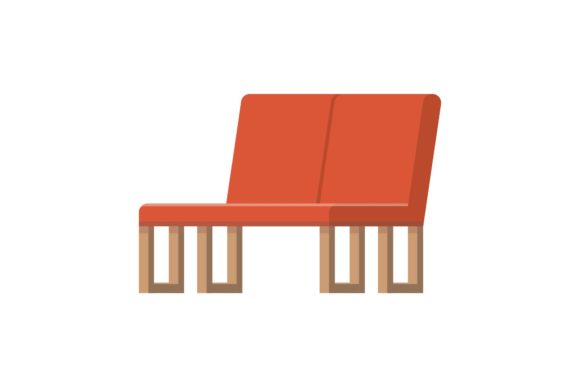
Terrace Red Chair Vector Illustrations
Opening a new design file always carries a moment of anticipation. As someone who has spent years converting vector art into stitch-ready embroidery files, I have learned to spot potential before the first thread touches the fabric. When I opened Terrace Red Chair Vector Illustrations, I was immediately drawn to its clean silhouette and the kind of visual balance that translates well into thread. This is not a hyper-detailed raster image masquerading as a vector; it is a thoughtfully constructed piece of illustrations and graphics that feels purpose-built for hands-on creative work. Whether you are planning a run of custom tote bags for a boutique or a single personalized gift for a friend who loves bold, architectural decor, this design invites you to think about what a chair can become in stitch form.
First Impressions and the Mood of the Design
The chair motif carries a surprising amount of personality. Terrace Red Chair Vector Illustrations presents a subject that is both familiar and visually distinctive. The red hue is assertive without being aggressive, and the overall composition feels grounded and approachable. As an embroidery designer, I look for shapes that read clearly from a distance and hold their integrity when scaled down. This design delivers on that front. The lines are clean, the proportions feel natural, and there is enough negative space to let the subject breathe. It reminds me of the kind of imagery that works beautifully on a tote bag for a small shop or on a sweatshirt for a home decor enthusiast. The mood is warm, slightly nostalgic, and unpretentious. It feels like something a customer would reach for because it sparks a memory of a favorite chair on a sunny terrace.
Real-Life Embroidery Scenario: The Tote Bag Test
I decided to test Terrace Red Chair Vector Illustrations in a scenario I know well: preparing a custom embroidered tote bag for a local boutique that sells artisan home goods. The owner wanted something that felt handcrafted but not overly fussy, a design that could work as a standalone piece or paired with a simple text logo. I imported the SVG file into my digitizing software and began the conversion process. The vector paths were clean and well-organized, which saved me a significant amount of cleanup time. The 1920px by 1280px canvas size gave me plenty of resolution to work with, and the file formats included—AI, EPS, SVG, and DXF—covered every workflow I typically use. I settled on a hoop size that would show the chair at a meaningful scale without overwhelming the bag. The result was a design that stitched out with clear, readable shapes. The red thread popped against the natural cotton fabric, and the chair silhouette maintained its character even after a few test washes. The boutique owner was pleased, and the first batch of bags sold quickly at a local craft fair.
How the Design Performs Across Common Embroidery Projects
After the tote bag test, I ran Terrace Red Chair Vector Illustrations through several other project types to see how it held up. On a sweatshirt, the design felt cozy and inviting, especially when paired with a soft fill stitch for the chair body and a satin stitch for the outline. On a cotton apron, it added a touch of personality without screaming for attention. I also tried it as an embroidered patch on a denim jacket, and the chair shape translated well to a standalone applique piece. The design works nicely on baby items too—think a small embroidered bib or a cotton onesie—where the red hue can be softened with a lighter thread color if needed. For holiday embroidery, the chair motif can be paired with seasonal elements like a small wreath or a mug of cocoa, though it stands perfectly well on its own. The versatility of this design lies in its simplicity. It does not rely on tiny details that disappear in the hoop, and it does not require a dozen thread colors to make an impression. Two to three well-chosen colors are enough to bring the chair to life.
Where to Use This Design Carefully
No design is perfect for every surface, and Terrace Red Chair Vector Illustrations has a few considerations worth noting. Because the chair shape includes some open areas and thin structural lines, you need to be mindful of hoop size and stitch density when working with small formats. If you try to shrink the design too much for a cap or a tiny patch, the legs of the chair may become too narrow for a clean satin stitch and may require a running stitch instead, which changes the look. On textured fabrics like heavy fleece or thick sweatshirt material, the finer details can get lost if the stabilizer is not chosen carefully. I recommend using a medium-weight cutaway stabilizer for most applications and testing the design on scrap fabric first, especially if you are working with dark fabric where the red thread may not contrast as strongly. For stretchy fabrics like those used in t-shirts, a stabilizer with good recovery is essential to prevent the chair from distorting during stitching. The design also works well on layered garments, but be mindful of the hoop fabric texture and how the garment moves during wear. If you are planning to sell finished products featuring this design, I advise checking the licensing terms that came with your purchase to confirm commercial use rights.
Visual Appeal, Customer Trust, and Product Value
When a customer picks up a handmade product, they are not just buying a chair embroidered on a bag. They are buying the feeling that the design evokes. Terrace Red Chair Vector Illustrations carries a sense of warmth and intentionality that translates directly into handmade product appeal. The chair is a universally understood object, yet the way it is rendered here feels fresh and considered. That balance between familiarity and originality is hard to achieve, and it is exactly what makes a design work for Etsy seller listings, craft business inventory, and boutique branding. I have seen machine embroidery design after design that looks impressive on screen but becomes a muddy mess in thread. This one holds its shape. The visual clarity builds trust with your customers because the finished product looks like the mockup. When you can deliver that consistency, your small shop product gains credibility, and customers are more likely to return or leave a positive review. For printable mockup use, the vector files make it easy to show the design in context before you stitch a single item, which is a huge advantage for digital product sellers and creative entrepreneurs who need to preview their work.
Practical Designer Notes for Real Use
Before you commit Terrace Red Chair Vector Illustrations to a production run, here are a few notes from my own testing. First, run a test stitch on scrap fabric that matches your final garment. Check the thread colors against the fabric color in natural light and under shop lighting. The red in the design is vibrant, but it can read differently on a warm-toned fabric versus a cool-toned one. Second, review the stitch density after digitizing. If the conversion software adds too many stitches in the chair legs, reduce the density slightly to avoid puckering. Third, confirm your hoop size can accommodate the design at the scale you want. The 1920px by 1280px canvas size gives you a large original, but you will be resizing it for embroidery, so test the proportions before cutting stabilizer. Fourth, inspect the small details after stitching. If any corner of the chair looks distorted, adjust the underlay or the pull compensation. Fifth, test the design in black and white mockups to see how it reads without color. This is especially useful if you plan to offer the design as a monochrome option. Sixth, compare the design on light and dark fabric backgrounds. The chair shape works well on both, but the thread color choice becomes critical on dark fabric to maintain contrast. Seventh, use proper stabilizer for the fabric type. I recommend a tearaway for stable fabrics and a cutaway for knits. Eighth, consider whether the design works for both personal and commercial projects. If you are a handmade shop owner, you will want to confirm that your license covers the sale of finished items. The product description does not specify license terms, so I recommend contacting the seller or reviewing the file documentation before listing items for sale. Finally, if you are a digital embroidery file seller yourself, you may want to note that the provided formats—AI, EPS, SVG, DXF—are excellent starting points, but you will need to create your own embroidery file formats (such as PES, DST, or EXP) from these vectors. The design is a graphics asset, not a native machine embroidery design file, so factor that conversion step into your workflow.
Final Thoughts on a Design That Earns Its Place
Terrace Red Chair Vector Illustrations is the kind of design that rewards attention to detail. It does not try to be everything at once, and that restraint is what makes it useful. Whether you are an apparel decorator looking for a reliable motif for a new line of custom apparel, a small business owner building a cohesive brand identity, or a hobbyist who wants to make a personalized gift that feels special, this design offers a solid foundation. It works for embroidered patch projects, pillow cover decor, kitchen towel sets, apron branding, blanket accents, nursery decor, wedding gifts, and holiday embroidery themes. The chair is a quiet anchor for your creativity. It does not demand attention, but it earns it. If you are the kind of maker who values clean lines, practical scale, and a design that looks as good in thread as it does on screen, this one is worth adding to your design assets. Test it, tweak it, and make it your own. That is where the real satisfaction lies.