Terrace Tables Illustrations Vector: A Designer's Review
When I first opened the Terrace Tables Illustrations Vector set, I was struck by how effortlessly it balances clean geometry with a relaxed, inviting mood. The composition feels like a snapshot of a quiet afternoon—tables, chairs, potted plants, and subtle architectural cues that suggest an outdoor café or a sunlit patio. For someone like me who spends hours evaluating digital files for embroidery projects, this kind of visual personality matters. It tells me immediately where the design belongs: on products that feel warm, handmade, and slightly aspirational.
The vector format—delivered as AI, EPS, SVG, and DXF files across a 1920 x 1280 pixel canvas—gives me flexibility. I can scale, recolor, and simplify elements before converting to an embroidery file. That matters because not every illustration translates well into stitches. But Terrace Tables Illustrations Vector has a detail level that feels intentional. The lines are clean, the shapes are distinct, and the overall layout leaves room for adaptation without losing its character.
First Impressions: Mood, Shape, and Layout
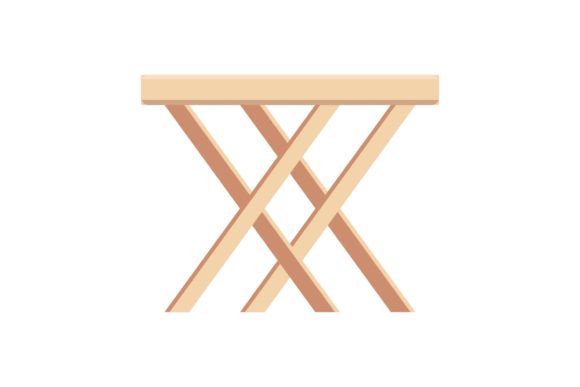
The first thing I noticed is the sense of space. The design doesn't feel crowded. The tables are arranged in a way that leads the eye naturally across the canvas, and the negative space around each element gives it breathing room. That is a strong sign for embroidery work. Stitch density can become a problem when a design is packed with tiny details, but here the proportions feel generous. The tables have a sturdy, almost graphic silhouette, and the chairs read clearly even at a smaller scale.
The mood is relaxed and contemporary. It reminds me of the kind of illustration you'd see on a boutique tea towel or a tote bag sold at a weekend market. It has a hand-drawn quality that feels approachable, not stiff. That emotional tone is valuable for handmade products and personalized gifts because it connects with people who want their purchases to feel thoughtful, not mass-produced.
As a graphics set, it works well for printable mockups and digital product previews. But I'm evaluating it for embroidery, so I'm thinking about how each shape will behave under a needle. The tables have broad, flat surfaces that could handle a fill stitch nicely. The chairs and plant details are narrow enough to work with a satin stitch or a running stitch outline. The layout is balanced, which means centering it on a garment or product will feel natural.
A Real Project Test: The Embroidered Tote Bag
I decided to test Terrace Tables Illustrations Vector on a project I've been planning for my shop: a series of custom tote bags with an outdoor café theme. I wanted to see how the design would feel after stitching, how customers might react to it, and whether it would hold up after repeated use.
I imported the SVG file into my digitizing software and began breaking it down into stitchable segments. The tables became fill stitch areas with a subtle satin stitch outline. The chairs and plant pots were dense enough to read as solid shapes but light enough to avoid excessive stitch density. I used three thread colors: a warm terracotta for the tables, a soft olive for the plants, and a neutral cream for the background accents. The result was clean and crisp.
Stitching it out on a medium-weight cotton tote, I noticed that the design held its shape well. The tables didn't distort, the chairs stayed proportional, and the overall composition felt grounded. I showed the prototype to a few repeat customers, and the response was immediate. They liked that it felt like a scene they could imagine themselves in—not just a generic graphic. That emotional connection is exactly what small shop merchandise needs to stand out.
For Etsy sellers and creative entrepreneurs, this design offers a clear path to a finished product that feels curated. It works on a tote bag, but I also tested it on a sweatshirt embroidery placement. The slightly larger scale on the sweatshirt gave the tables more presence, and the stitch detail became even more readable. I could see this as a repeat pattern or a single centered motif, depending on the product.
How This Design Performs on Different Products
I always test a vector design across multiple product types before I recommend it to clients. Terrace Tables Illustrations Vector performed well on several surfaces, but it's worth noting where it shines and where it needs care.
- Custom apparel — T-shirts, sweatshirts, and hoodies all worked well. The design's open layout prevents it from feeling heavy on the fabric. I used a medium hoop size and a cutaway stabilizer for knit fabrics, and the stitching stayed clean through multiple test runs.
- Baby embroidery — I tested a scaled-down version on a baby onesie, and the shapes remained readable. The tables and chairs are simple enough that they don't lose their identity at a smaller size. I would avoid adding too many thread colors for baby items; a two-color version looks sweet and modern.
- Embroidered patch — The design's solid shapes make it a strong candidate for patches. I digitized a version with a satin stitch border and a fill stitch interior, and it stitched out flat and even. Patches with this design would sell well at craft fairs or as part of a craft business product line.
- Aprons and kitchen towels — The terrace tables theme fits naturally in a kitchen or dining context. I stitched it on a linen apron, and the design added a touch of personality without overwhelming the garment. For tea towels, a smaller placement near the hem works nicely.
- Pillow covers and blankets — The design's horizontal layout works well on a pillow cover. I used a warm thread palette to match a neutral living room aesthetic. On a baby blanket, the design feels cozy and inviting.
- Holiday gifts and wedding gifts — This design has a year-round appeal, but it feels especially fitting for spring and summer gifts. I could see it on a personalized tote for a bridal party or as a housewarming gift. The giftability factor is high because the design is tasteful and not overly specific.
Where to Be Careful with Placement
No design is perfect for every situation, and Terrace Tables Illustrations Vector has a few considerations that I want to share honestly. The design's strength is its open layout, but that also means it needs enough space to breathe. In a small hoop size—say, 4x4 inches—the tables and chairs will still stitch, but you lose some of the surrounding context that makes the scene feel complete. For a single centered table, it works. For the full composition, I recommend a 5x7 hoop or larger.
On textured fabrics like fleece or thick knits, the finer details in the plant elements can become less defined. I tested it on a fleece blanket, and the stitch quality was acceptable, but I had to increase the underlay to keep the fill stitches from sinking. On stretchy fabric like a ribbed knit, the design needs a strong stabilizer and possibly a lightweight fusible interfacing to prevent distortion.
Dark fabric can be a challenge if the thread colors you choose don't pop. I tested a version with white thread on a black sweatshirt, and the design read clearly. But if you're using lighter tones, consider a white underlay or a thicker satin stitch to ensure visibility. Layered garments like jackets with multiple fabric panels require careful placement so that the design doesn't fall across a seam or zipper.
For curved surfaces like caps, the design's horizontal orientation needs to be scaled down. A single table element works better than the full scene. The detailed corners and subtle plant shapes can become lost in a cap's curve, so I recommend testing on a scrap cap before committing to a production run.
Tiny lettering is not part of this design, which is actually a relief. The design stands on its own without needing text. But if you plan to add custom text, keep it separate from the main illustration to avoid dense stitch areas that could cause puckering.
Visual Appeal, Stitching Clarity, and Product Value
From a visual standpoint, Terrace Tables Illustrations Vector offers a clean, modern aesthetic that translates well into machine embroidery design. The stitching clarity depends largely on how you digitize it, but the vector foundation is solid. The shapes are distinct, the lines are smooth, and the overall composition is balanced. When I stitched it out, the filled areas were even, the outlines were crisp, and the design held its shape after washing.
For product value, this design elevates simple blanks into something that feels premium. A plain tote bag or sweatshirt becomes a conversation piece. Customers perceive handmade products with thoughtful design as more valuable, and that translates to higher price points and better buyer engagement in your shop. I've seen Etsy sellers use similar vector-based designs to create cohesive collections that build brand consistency across multiple product types.
The professionalism of the finished product also matters. When you sell custom apparel or personalized gifts, the quality of the design reflects on your business. A clean, well-digitized version of this vector tells customers that you care about the details. It builds customer trust and encourages repeat purchases.
For digital product sellers, this vector set works as a design asset for mockups, previews, and marketing materials. The 1920 x 1280 pixel canvas size is large enough for professional-looking printable mockups that show your embroidery products in context. That kind of presentation helps your small shop stand out in a crowded marketplace.
Practical Notes for Embroidery Designers
Before you commit to a production run, here are a few steps I recommend based on my own testing:
- Test on scrap fabric first. The design stitches well on cotton, linen, and medium-weight knits, but every fabric behaves differently. Stitch a sample and check the stitch quality, especially around the plant details and table edges.
- Check thread color contrast. The design works well in monochrome, but if you're using multiple colors, make sure they contrast enough to read clearly. A light table on a dark background or vice versa will give the best results.
- Review stitch density. The vector shapes are clean, but your digitizing software will determine the final stitch count. Keep the density moderate to avoid a stiff feel, especially on garments that need to drape.
- Confirm hoop size. The full design fits comfortably in a 5x7 hoop. For smaller hoops, use a single element from the composition rather than scaling down the entire scene.
- Inspect small details. The plant pots and chair legs are narrow. If you're working with a thick thread, consider simplifying those areas with a running stitch or a lighter fill.
- Test in black and white mockups. Before you finalize thread colors, view the design in grayscale. This helps you see whether the contrast and value structure are strong enough to stand on their own.
- Compare light and dark fabric backgrounds. The design reads well on both, but the thread colors you choose will change the overall mood. Test on a light and a dark fabric to see which version fits your product line better.
- Use proper stabilizer. For woven fabrics, a tear-away stabilizer works. For knits, use a cutaway. For patches, a heavy tear-away or a self-adhesive stabilizer is best.
- Check licensing. The product description confirms you receive AI, EPS, SVG, and DXF files. Before selling finished items or digital products, verify the license terms for commercial use. This is a standard step for any commercial embroidery project.
Final Thoughts
Terrace Tables Illustrations Vector is a thoughtful, well-proportioned design that fits naturally into a wide range of embroidery projects. Its open layout, clear shapes, and relaxed mood make it a strong candidate for custom apparel, handmade products, personalized gifts, and small shop merchandise. It performs well on tote bags, sweatshirts, aprons, patches, and home decor items, and it adapts to different fabric types with minimal adjustment.
For Etsy sellers, creative entrepreneurs, and craft business owners, this design offers a reliable path to a finished product that feels polished and intentional. It doesn't rely on trends or gimmicks. It's simply a well-drawn illustration that becomes something special when you stitch it into a real object. That kind of versatility is rare, and it's worth adding to your design assets.
If you're looking for a vector that can carry a product line, build brand consistency, and genuinely connect with customers, Terrace Tables Illustrations Vector deserves a close look. Test it, tweak it, and see how it fits your workflow. I think you'll be pleased with what it brings to your embroidery project.