Dog Box Illustrations Vector Cute Simple Graphics Review
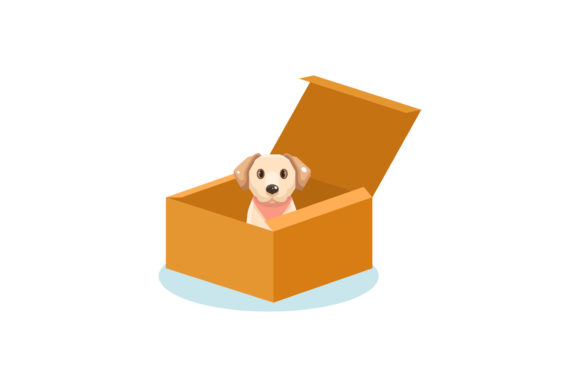
When I first opened Dog Box Illustrations Vector Cute Simple, I was immediately struck by the warmth and approachability of the visual style. As a designer who has worked on branding, packaging, and social media campaigns for small businesses and handmade brands, I know how hard it is to find a graphic design asset that feels both playful and polished. This set delivers exactly that balance. The illustrations feature clean contours, soft proportions, and a charming simplicity that makes them feel like they belong on a boutique product label or a cheerful Instagram post. The overall mood is friendly, lighthearted, and inviting. It is the kind of creative design that instantly signals warmth and personality. For a client project, this would be a strong candidate when the brief calls for a visual identity that feels approachable, trustworthy, and emotionally engaging. Whether you are building a brand identity for a local pet store, designing a sticker design for a subscription box, or creating social media graphics for a charity event, this set offers a cohesive visual language that is easy to build upon.
First Impressions and Visual Mood
The Dog Box Illustrations Vector Cute Simple set immediately reads as a modern, vector-based illustration collection with a refined hand-drawn feel. The lines are smooth, the shapes are friendly, and the overall composition avoids unnecessary clutter. This is a digital product that was clearly designed with real-world applications in mind. The mood it creates is one of gentle joy and casual elegance. It does not feel overly childish or cartoonish, which means it can work across a wide range of audiences. I can easily see this used in a printable design for a children’s book, a packaging design for a premium dog treat line, or as a decorative accent in an editorial design spread about pet adoption. The emotional appeal is strong, and for a handmade business or small business branding project, that emotional connection can be the difference between a customer scrolling past or stopping to engage.
Real Client Project Application
Let me walk through a realistic scenario. I recently worked on a project for a small, locally owned pet boutique that wanted to refresh its brand identity before a seasonal campaign. The client needed new product mockup visuals for their website, a set of sticker design options for packaging, and a few social media graphics for an upcoming adoption event. The Dog Box Illustrations Vector Cute Simple set became the backbone of the visual direction. The illustrations added a layer of handmade charm that felt authentic to the brand’s values. I used the vector files to customize colors, scale elements for different touchpoints, and maintain consistency across all deliverables. The result was a cohesive look that our client loved and that customers responded to positively. This is exactly the kind of commercial design asset that saves time without sacrificing quality. It is a design bundle that acts as a starting point, not a crutch, and that is exactly what I look for when reviewing design assets for client work.
Where This Asset Shines
After testing the Dog Box Illustrations Vector Cute Simple across several formats, I found that it performs best in medium to large layout areas. The illustrations are detailed enough to hold attention as a hero graphic on a website or as the main visual on a poster design. They also work beautifully as a decorative accent in a packaging design layout, such as a box topper or a hang tag. I used them in a t-shirt design mockup, and the simplicity of the lines translated well to fabric printing. The SVG design format allowed me to scale the artwork without any loss of quality, which is essential for sublimation design or print-on-demand projects. The set also excels in Canva template creation, where the clean vector shapes can be easily layered over background colors or patterns. For Cricut project use, the outlines are clean enough to cut smoothly, and the PNG design files with transparent backgrounds make it easy to drop into any layout.
Where to Use Carefully
No graphic design asset is perfect for every situation, and Dog Box Illustrations Vector Cute Simple has a few limitations worth noting. The illustrations feature a relatively high level of detail in the line work, which means they can become muddy or lose clarity when scaled down to very small sizes. I would avoid using them as a primary element in a logo design that needs to be legible at favicon size, or in a web design header where the image might be heavily compressed. They also work best on a clean, high-contrast background. On a busy or low-contrast surface, the charm of the illustrations can get lost. For minimalist branding projects that require extreme simplicity, this set might feel too decorative. And for professional corporate materials where a very clean visual hierarchy is critical, the playful nature of the illustrations could clash with the tone. In those cases, I would use the set as a secondary accent rather than a primary visual driver.
Readability, Hierarchy, and Brand Consistency
When I integrate Dog Box Illustrations Vector Cute Simple into a layout, I pay close attention to how it affects readability and visual hierarchy. The illustrations are naturally engaging, so they tend to draw the eye first. That means I need to position them carefully to avoid competing with key text or call-to-action buttons. In a packaging design, I place the illustration as a hero element and then use typography that is clean and restrained. A sans serif font or a handwritten font with a light weight works well alongside the rounded shapes. I tested the set with a serif font for a more editorial feel, and the contrast was also effective. For brand consistency, the illustrations have a strong enough personality that they can anchor a visual identity, but I always recommend using them across all touchpoints to build recognition. The emotional appeal of the illustrations helps build visual trust with an audience, especially for a handmade business or a small business branding project where authenticity is key.
Practical Designer Notes
Before you use Dog Box Illustrations Vector Cute Simple in a client project, here are a few tests I recommend running. First, view the artwork in black and white to check contrast and shape clarity. The vector forms hold up well, but some of the finer details can blend together on a dark background. Second, test the illustrations on both light and dark backgrounds. The set includes elements that work well on white but may need a stroke adjustment for darker surfaces. Third, preview the artwork at the smallest size you plan to use it. For a sticker design that will be printed at one inch, some of the detail may be lost. Fourth, place the files into a product mockup to see how they look in a real-world context. I used a t-shirt design mockup and a mug design mockup, and the results were very good. Fifth, inspect the PNG design files for transparency quality. The PNG files in this set have clean edges with no noticeable halos. Sixth, open the SVG design and AI File formats in your vector editor to check for editable layers, grouped elements, and overall vector editability. The AI File and EPS File formats are well-organized, which makes customization easy. Finally, always confirm the commercial license terms before using the set for a client or a print-on-demand product. The Dog Box Illustrations Vector Cute Simple set is available in AI File, EPS File, SVG File, DXF File, JPG File, and PNG File formats, with a canvas size of 1920 px X 1280 px in each file. This variety of formats makes it easy to use across different workflows, from web design to printable design to Cricut project cutting.
Typography and Visual Harmony
One of the most important aspects of working with any graphic design asset is how it pairs with type. I tested Dog Box Illustrations Vector Cute Simple with several font styles to see what worked best. A sans serif font with rounded terminals complemented the friendly curves of the illustrations. A handwritten font added a playful, organic feel that worked well for social media graphics and sticker design. A script font created a more elegant contrast, which I found useful for packaging design and product label applications. A display font with a bold weight helped anchor the layout when the illustration was used as a background element. The key is to avoid competing styles. The illustration has a strong visual voice, so the typography should support rather than fight it. For editorial design or blog visuals, a clean serif font can provide a sophisticated counterpoint. For brand identity work, I recommend choosing one font family and sticking with it across all applications to maintain brand consistency.
Final Verdict for Professional Use
After spending time with Dog Box Illustrations Vector Cute Simple, I can confidently say that this is a commercial design asset worth adding to your toolkit. It is not a one-size-fits-all solution, but for the right project, it can elevate the entire visual direction. The set is ideal for small business branding, handmade business visuals, Etsy product listings, print-on-demand merchandise, social media graphics, packaging design, and printable design projects. It also works well for marketing visuals in the pet, lifestyle, family, and children’s niches. The creative marketplace is full of so-so assets, but this one stands out because it was clearly designed with real-world application in mind. The multiple file formats, the thoughtful canvas size, and the clean vector construction all point to a creator who understands what designers need. If you are a brand owner, content creator, blogger, publisher, crafter, Cricut user, digital seller, or print-on-demand seller, this set can save you time and help you produce polished, professional-looking work. Just remember to test it in your specific context, especially at small sizes and on different backgrounds. Used wisely, Dog Box Illustrations Vector Cute Simple can be a reliable and charming addition to your design assets library.