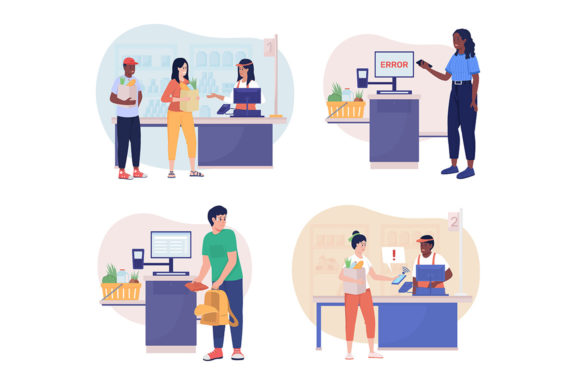
Life Situations 2D Vector Illustrations Review for Publishers
When you spend as much time as I do building blog layouts, formatting editorial content, and hunting for visuals that don’t look like generic stock filler, you develop a sharp eye for what works in a real publishing workflow. I’ve reviewed hundreds of graphic design assets over the years, and most of them land in one of two camps: beautiful but impractical, or functional but forgettable. Life Situations 2D Vector Illustrations sits in a rare third space where editorial quality and real-world usability actually meet. This set of flat vector characters, built around everyday scenarios like grocery shopping, frustration, and animated expressions, brings a distinct cartoon style that feels both modern and emotionally grounded. It’s not just another illustration pack—it’s a visual tool that can reshape how your content communicates with readers.
First Impressions and Editorial Mood
Opening the Life Situations 2D Vector Illustrations collection, I immediately noticed the tonal range. The set includes upset and angry people flat characters placed on cartoon backgrounds, but it also weaves in colourful grocery shopping scenes that feel lively and relatable. This combination creates an editorial mood that is honest without being harsh, and playful without losing professionalism. For a content website or affiliate blog, that balance is gold. Readers scanning your site need to feel something within seconds, and these illustrations deliver a clear emotional signal. Whether you’re publishing a post about handling daily stress, managing finances, or simply navigating a busy week, the visual language here supports the narrative instead of fighting it. The flat illustration style keeps the focus on the message, while the bold colour palette ensures the graphics stand out in a crowded feed.
How This Asset Fits Into a Real Publishing Workflow
Let me walk you through how I tested Life Situations 2D Vector Illustrations in an actual content creation pipeline. I manage a lifestyle blog that covers everything from personal finance to home organisation, and I’m always looking for blog graphics that can serve double duty—looking polished in an article while also performing as clickable thumbnails and social media visuals. I started by pulling several of the flat character illustrations into a mock blog post about grocery budgeting. The grocery shopping colourful scenes matched the topic perfectly, but I also wanted to see if the upset and angry people flat characters could work for a post about handling customer service frustrations. They did. The expressions are exaggerated enough to be clear, but not so over-the-top that they feel like caricatures. This balance is critical for editorial design, where you need to communicate emotion quickly without undermining reader trust.
From there, I moved the same illustrations into a Pinterest pin template. I placed a character from the Life Situations 2D Vector Illustrations set beside a bold headline, added a simple sans serif font overlay, and within minutes had a pin that looked like it belonged on a professionally curated board. The flat design style compresses well for web performance, and the contrast between the characters and the background kept the text readable even at small sizes. I repeated the process for a newsletter header, a digital guide cover, and a social media post. Each time, the asset adapted without needing heavy editing. That kind of flexibility is rare in a graphic design asset, and it’s exactly what busy publishers need.
Visual Hierarchy and Reader Trust
One of the most underrated aspects of good editorial content is how visuals guide the reader’s eye. Life Situations 2D Vector Illustrations supports visual hierarchy naturally because the characters are designed with clear focal points. The flat cartoon backgrounds frame each scene without distracting from the main subject, which means you can place these illustrations next to headline text, pull quotes, or bullet points without creating visual clutter. When I tested the set inside a full blog layout, I noticed that the illustrations acted as anchor points, helping readers quickly identify the emotional tone of each section. This is especially valuable for long-form content, where maintaining reader attention is a constant battle. By using these illustrations as article headers or editorial accents, you create natural breaks that invite the eye to keep moving down the page.
Reader trust also gets a boost when your visuals feel intentional. Nothing screams “amateur” faster than a mismatched stock photo that clearly wasn’t designed for your content. The cohesive style of Life Situations 2D Vector Illustrations means every graphic you create from this set will share a consistent brand identity. Whether you’re designing a lead magnet, a printable design, or a social media graphic, the illustrations tie your visual system together. For affiliate marketers and small business owners, this consistency is a direct contributor to click-through potential. When a reader sees a polished, professional-looking image, they are more likely to trust the content and take the next step.
Best Use Cases for Bloggers and Content Creators
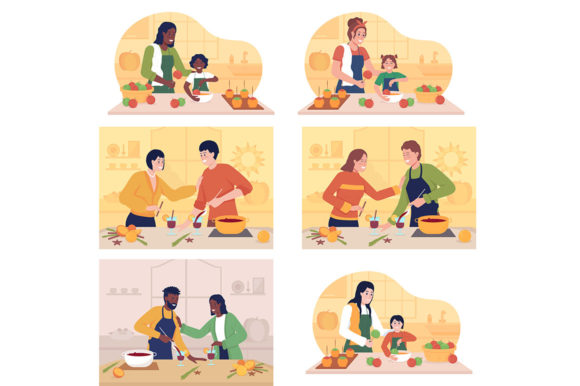
After spending considerable time with this asset, I’ve identified several publishing scenarios where it truly shines. The Life Situations 2D Vector Illustrations set works exceptionally well as hero images for blog posts, especially those in the lifestyle, personal development, finance, and home organisation niches. The grocery shopping colourful scenes are perfect for content about budgeting, meal planning, or family life. The upset and angry people flat characters are ideal for posts about conflict resolution, customer service, stress management, or even humour pieces. I also found the illustrations to be highly effective as Pinterest pins and social media graphics, where the flat vector style pops against the white backgrounds common on those platforms.
For digital product creators, this set is a strong candidate for Canva templates, digital guides, eBook covers, and downloadable resources. The isolated nature of the illustrations makes them easy to layer with text, icons, or other design elements. I used one of the characters to create a category thumbnail for a series of articles about daily routines, and the result looked like it belonged on a major media site. The asset also works well for newsletter graphics and media kits, where you need visuals that communicate quickly and professionally.
Where to Use This Asset with Caution
No graphic design asset is a universal solution, and Life Situations 2D Vector Illustrations has a few limitations worth noting. The cartoon style, while engaging, may feel out of place in very serious professional niches such as legal consulting, medical advice, or corporate finance. If your website uses a minimal, monochrome visual system, the bold colours and expressive characters could clash with your existing brand identity. I also recommend testing these illustrations on small mobile thumbnails before committing to a large-scale rollout. The characters are detailed enough to read well at medium sizes, but on very small screens, some of the facial expressions may lose clarity. Additionally, if you frequently use text-heavy blog images with dense overlays, the flat backgrounds might require extra contrast adjustments to keep the text readable. As with any design asset, preview the illustrations inside your real blog layout, test them with several font styles—serif, sans serif, script, handwritten, and display—and check contrast and readability under different lighting conditions on both desktop and mobile screens.
Practical Publisher Notes Before You Buy
Before downloading Life Situations 2D Vector Illustrations for your next project, there are a few practical steps every publisher should take. First, test the illustrations in black and white to ensure the composition holds up without colour cues. This is especially important for printable designs or lead magnets that may be viewed in grayscale. Second, review the file size for web performance. The vector format should compress well, but always run your final graphics through an image optimisation tool to keep page load times fast. Third, confirm the commercial license before using the asset on monetized websites, affiliate pages, or paid content products. Creative marketplaces vary in their licensing terms, and you want to avoid any legal surprises down the road. Finally, test the asset inside a real blog layout with your actual headline text. Place it beside different font styles and observe how the visual hierarchy shifts. A graphic design asset that looks stunning in isolation can sometimes feel disconnected from the editorial voice of your site. Take the time to preview, adjust, and confirm that the illustrations truly support your content marketing goals.
Final Thoughts on Life Situations 2D Vector Illustrations
From an experienced blog designer’s perspective, Life Situations 2D Vector Illustrations is a solid investment for any publisher who values both editorial quality and practical usability. The flat vector style, expressive characters, and versatile colour palette make it suitable for a wide range of content types, from blog graphics and Pinterest pins to digital products and social media visuals. It supports visual hierarchy, strengthens brand identity, and helps build reader trust through consistent, intentional design. While it may not fit every niche, for lifestyle, personal development, and everyday content creators, this set offers a reliable way to elevate your visual communication without spending hours on custom illustration work. If you’re looking for a graphic design asset that can carry your blog visuals, editorial design, and digital marketing efforts with equal competence, this one deserves a spot in your creative toolkit.