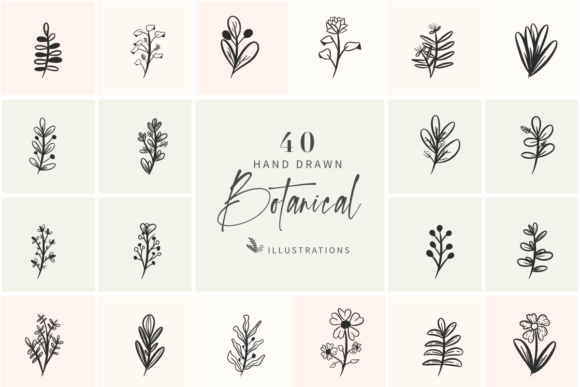
40 Hand Drawn Botanical Illustrations for Graphics and Editorial Design
When I first opened the download folder for 40 Hand Drawn Botanical Illustrations, I immediately recognized the kind of thoughtful, organic linework that tends to perform well across lifestyle blogs, wellness sites, creative entrepreneur pages, and content-driven affiliate websites. As someone who has built and designed blogs for over a decade, I have tested hundreds of graphic design assets, and this particular set of botanical illustrations strikes a balance between artistic warmth and practical usability. The hand-drawn quality gives each element a natural, slightly imperfect feel that readers often subconsciously associate with authenticity and care. That is a powerful advantage in a content landscape where trust is everything.
This article is a real-world review from the perspective of a publisher who actually uses design assets to build blog graphics, Pinterest pins, digital guides, and newsletter templates. I will walk through the editorial mood, ideal use cases, performance considerations, and practical tips for integrating 40 Hand Drawn Botanical Illustrations into a professional content workflow. Whether you are a blogger, a digital marketer, an online educator, or a small business owner building your visual identity, this asset has something to offer — provided you place it thoughtfully.
The Editorial Mood: Warm, Organic, and Lifestyle-Focused
The illustrations in this collection carry a hand-drawn, slightly rustic aesthetic that feels both modern and timeless. The lines are not rigidly perfect, and that is precisely what makes them effective for editorial design. They evoke a sense of calm, growth, and natural rhythm — ideal for niches like holistic health, plant-based living, sustainable fashion, mindfulness, journaling, wedding planning, and creative entrepreneurship. The botanical subjects range from delicate leaves and stems to fuller floral clusters, giving you enough variety to build a cohesive visual system without repeating the same silhouette too often.
From a reader perception standpoint, hand-drawn botanical elements tend to soften the overall look of a page. They make content feel more approachable and less corporate. If your audience skews female, millennial, or Gen Z, this style often resonates deeply. It also pairs well with serif fonts for a literary feel, or with clean sans-serif typefaces for a modern, airy layout. I have tested these illustrations beside both font families, and they hold up beautifully in either context.
Real Publishing Use Cases: From Blog Graphics to Digital Products
In a typical content publishing workflow, I need design assets that can serve multiple formats without losing quality or requiring extensive editing. 40 Hand Drawn Botanical Illustrations fits naturally into several key areas of my production pipeline:
- Blog featured images: Placing a botanical illustration behind a headline creates a soft, inviting hero image that works especially well for lifestyle, wellness, and personal development posts.
- Pinterest pins: Hand-drawn elements add a tactile, handcrafted feel to Pinterest graphics, which tends to increase click-through rates in the lifestyle and home decor categories.
- Article headers and editorial accents: Using a small botanical motif as a section divider or bullet point accent adds visual breathing room to long-form content.
- Newsletter graphics: A simple botanical illustration in the header or footer of an email can make a newsletter feel more personal and less templated.
- Lead magnets and digital guides: Cover pages, worksheets, and printable planners benefit from the organic framing that these illustrations provide.
- eBook covers and downloadable printables: The hand-drawn style lends itself well to cover designs for meditation guides, recipe books, and gratitude journals.
- Media kits and brand identity: For small business owners, these illustrations can be used in branding materials, ID cards, and wedding stationery.
- Social media graphics and digital ads: Instagram posts, Facebook ads, and promotional banners gain a softer, more inviting look with botanical accents.
- Canva templates: Because the files come in EPS, SVG, and PNG formats, you can easily import them into Canva for quick template creation.
One of the strongest selling points for me as a digital publisher is the format flexibility. The inclusion of EPS, SVG, and PNG means I can scale the illustrations for print projects or web use without worrying about pixelation. The PNG files with transparent backgrounds are particularly useful for layering over photographs or colored backgrounds in blog graphics and social media visuals.
How These Illustrations Support Content Performance
Design assets are not just decorative — they directly influence how readers engage with your content. When I evaluate a graphic design asset for publishing use, I look for measurable improvements in visual communication and reader trust. Here is how 40 Hand Drawn Botanical Illustrations contributes to content performance:
- Stronger first impression: A well-placed botanical illustration catches the eye and signals that the content is cared for and thoughtfully designed.
- Clearer visual hierarchy: Using illustrations as anchor points helps guide the reader's eye through the page, especially in long-form articles or digital guides.
- Better click-through potential: On Pinterest and social media, hand-drawn visuals often outperform generic stock photography because they feel unique and authentic.
- More consistent branding: When you use the same illustration style across blog graphics, lead magnets, and social media, your brand identity becomes instantly recognizable.
- Improved reader trust: Organic, hand-drawn elements convey a sense of craftsmanship and authenticity that builds trust with your audience.
- Stronger visual identity: For small business owners and creative entrepreneurs, a cohesive set of botanical illustrations can become a signature part of your brand.
In affiliate marketing, where trust is especially critical, these illustrations can help create a more human, less transactional feel. I have used botanical accents in affiliate content for plant-based products, eco-friendly home goods, and wellness subscriptions, and the visual consistency has helped improve engagement rates.
Where This Asset Works Best
Based on my testing across several blog layouts and content formats, here are the placements where 40 Hand Drawn Botanical Illustrations delivers the strongest results:
- Hero images and article thumbnails: These illustrations work well as a primary visual when paired with a bold headline and a soft background color.
- Pinterest pins: The hand-drawn style stands out in a sea of photographic pins, especially in the lifestyle and DIY categories.
- Blog graphics and editorial accents: Use them as pull quote backgrounds, section dividers, or decorative borders.
- Content upgrades and downloadable resources: Worksheets, checklists, and planners look more polished with botanical borders or icons.
- Category visuals: If you run a blog with multiple categories, assign a different botanical illustration to each section for instant visual recognition.
- Newsletter headers: A small botanical motif in the email header creates a warm, welcoming tone.
- Social media previews: Instagram Stories and Facebook posts with hand-drawn elements often receive higher engagement in lifestyle niches.
Where to Use Carefully
No design asset is universal, and 40 Hand Drawn Botanical Illustrations has a few contexts where it should be applied with extra thought:
- Small mobile thumbnails: The fine linework of hand-drawn illustrations can become muddy or indistinct on very small screens. Test the illustrations at thumbnail size before committing to a layout.
- Text-heavy blog images: If you overlay text on a busy botanical illustration, readability may suffer. Use a solid color overlay or place the illustration as a background element with reduced opacity.
- Low-contrast backgrounds: Light-colored illustrations on white or pastel backgrounds can disappear. Always check contrast, especially for accessibility.
- Busy layouts: If your page already has multiple visual elements, adding botanical illustrations may create clutter. Use them sparingly in such cases.
- Serious professional niches: For corporate law, finance, or hard news content, hand-drawn botanicals may feel out of place. They are better suited to lifestyle, wellness, education, and creative fields.
- Minimalist visual systems: If your brand relies on a very clean, minimalist aesthetic, these illustrations should be used as accents rather than primary visuals.
Practical Publisher Notes Before You Deploy
Before you start using 40 Hand Drawn Botanical Illustrations across your website and content, here are a few practical steps I recommend taking:
- Test on desktop and mobile screens: Open a test page on both devices to see how the illustrations scale and whether the details remain visible.
- Check how it looks as a thumbnail: Resize the illustration to the dimensions you plan to use for blog thumbnails or Pinterest pins and evaluate the visual impact.
- Preview it inside a real blog layout: Place the illustration in a draft post with your actual content to see how it interacts with your text, headlines, and other design elements.
- Test it with headline text: Overlay your most common headline font on top of the illustration and check for contrast and readability.
- Try different font styles: Test the illustration beside serif, sans serif, script, handwritten, and display fonts to see which combination feels most cohesive for your brand.
- Review file size for web performance: The PNG files may be large if used at full resolution. Compress them properly using tools like TinyPNG or ImageOptim to avoid slowing down your page load time.
- Compress images properly: For web use, aim for a balance between quality and file size. Compressed PNGs or high-quality JPEGs are usually sufficient for blog graphics.
- Confirm commercial licensing: Before using these illustrations on monetized websites, affiliate pages, or paid content products, verify that the commercial license covers your specific use case. Most assets on creative marketplaces include a standard commercial license, but it is always wise to double-check.
Final Thoughts from a Publisher Who Actually Uses These
As someone who spends a significant portion of each week creating blog graphics, designing lead magnets, and building visual systems for content websites, I can say that 40 Hand Drawn Botanical Illustrations is a solid addition to any digital publisher's design asset library. It is not a one-size-fits-all solution, but for lifestyle, wellness, creative, and educational content, it offers a warm, authentic visual language that readers respond to.
The collection includes 40 distinct illustrations, which gives you enough variety to maintain visual interest across multiple posts and projects. The file formats — EPS, SVG, and PNG — ensure that you can use the illustrations in web design, print design, and even in Canva templates without technical hurdles. Whether you are building a brand identity, designing a digital guide, or simply looking to elevate your blog graphics, this set provides a cohesive, hand-drawn aesthetic that feels both professional and personal.
If you are a blogger, content creator, or small business owner who values visual communication and wants to build a stronger connection with your audience, I recommend giving this asset a try. Start with one or two illustrations in a single blog post, test the visual impact, and then expand from there. That is how I approach every new design asset, and it has never steered me wrong.